

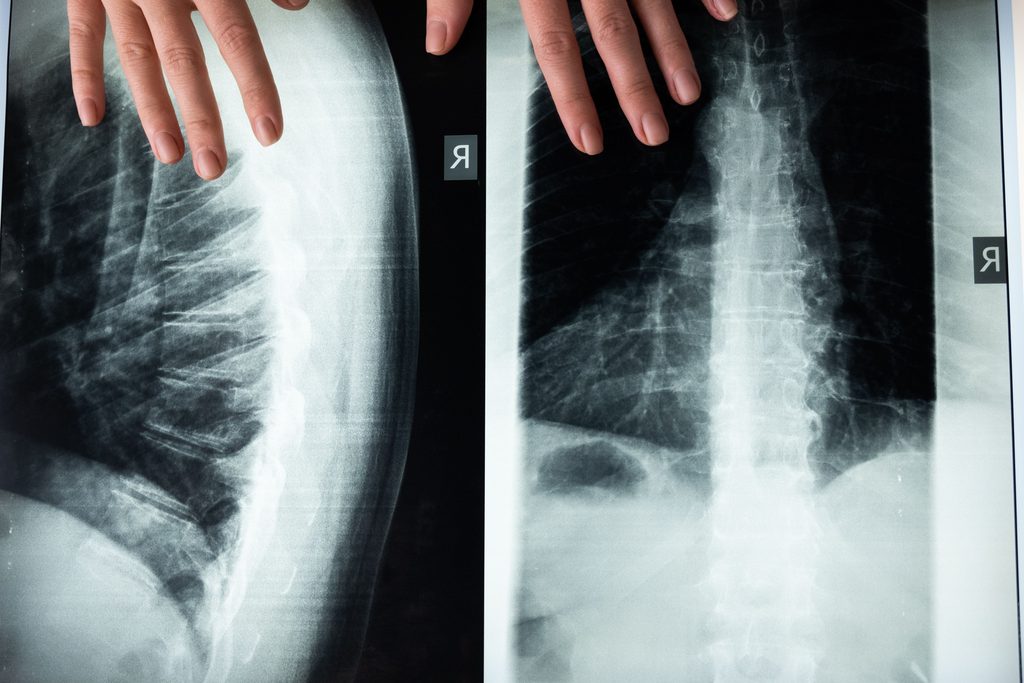
In Missouri, spinal cord stimulators may offer relief to people living with chronic pain, but treatment can bring complications that affect recovery and everyday life. When a patient develops new symptoms or needs further procedures, questions may arise about whether the outcome reflects a recognized medical risk or a problem with the device itself. That distinction matters because experiencing a complication does not automatically establish a manufacturer’s legal responsibility. A potential claim depends on what happened and what the available evidence can show.
For Missouri patients reviewing their options, understanding spinal cord stimulator risks can help put an unexpected outcome into context. The medical record may show when symptoms appeared, how clinicians responded, and whether the device required adjustment, revision, or removal. Those details can help determine whether there is evidence of a product defect or inadequate warning and whether the complication caused documented losses.
When a known risk causes harm
A risk disclosure describes a possible complication; it does not establish that a particular patient will experience it. Infection, lead migration, electrical shocks, burns, worsening pain, and loss of stimulation can follow implantation. Some patients need repeat programming, surgery to reposition or replace leads, or system removal.
The claim question is more focused: did a device defect, a failure to warn, or another actionable problem cause the injury? A known risk matters when evidence shows the manufacturer did not adequately address it, or the device performed outside expected function.
Risk does not prove fault
Patients should distinguish an acknowledged complication from an allegation of product defect. A complication can occur despite proper device design and adequate warnings. A claim needs evidence of a specific failure, such as a device malfunction, a manufacturing problem, or a warning that omitted relevant risk information.
Medical records alone may not answer that question. Device identifiers, implant records, technical reports, and communications about the complication help establish what system was used and what happened. Legal theories and available evidence depend on the facts and applicable state rules.
Device records build a causal link
A claim needs a connection between the device and the injury, not just a record of pain after implantation. The timeline matters: when symptoms began, whether stimulation changed, and what clinicians observed during follow-up can help show that connection.
Patients can ask providers for operative reports, imaging, programming notes, and records of device checks. If a device is removed or replaced, records about the procedure and the device’s condition can preserve details that later review may need.
Treatment records show the impact
Clinical notes document more than diagnoses. They can show how symptoms changed, whether clinicians linked them to the implant, and what treatment they recommended. A consistent record of reported pain, weakness, infection, or other symptoms gives reviewers a clearer account than a later summary alone.
Follow-up care also matters. Missed appointments or gaps in treatment can leave questions about symptom progression. Patients should tell clinicians about new or worsening symptoms and follow medical advice, while keeping copies of discharge instructions and treatment plans.
Claim losses extend beyond surgery
A device complication can create costs beyond the implant procedure. Additional appointments, medication, diagnostic testing, revision surgery, or device removal can add expenses. Time away from work and limits on routine activities can also document how an injury affected daily life.
Useful records include bills, insurance explanations, wage information, and notes about tasks the patient can no longer manage. A claim’s value depends on the evidence of injury, treatment, and resulting losses. No single complication or procedure guarantees a particular outcome.
Preserve evidence after complications
Patients should keep the device identification card and any paperwork that identifies the implanted system. They can also request copies of medical records and save communications about device concerns, programming changes, or recommendations for further treatment.
A patient should not discard an explanted device or related components without first asking the treating provider how they will be handled. Filing deadlines vary by state, so delay can affect a claim even while treatment continues. A prompt review of the timeline helps identify which records to request and which deadlines to meet.
Conclusion
A documented complication is a starting point, not proof of a product claim. The most useful next step is to build a clear record linking the device, symptom onset, the medical response, and the resulting costs or limitations. Patients can begin by requesting implant and follow-up records, then checking applicable filing deadlines with a qualified legal professional. The evidence, rather than the risk label alone, shapes whether a claim can proceed.