

From Michelle Obama to Halle Berry, famous women have made perimenopause something people say out loud. A physician on the part of the story a headline cannot reach.
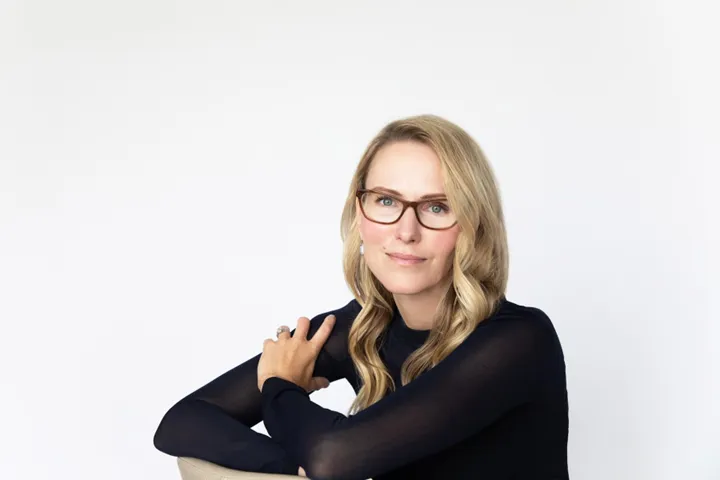
Photo Courtesy: Inner Balance
In 2020, Michelle Obama described a hot flash on her own podcast. It happened on Marine One, on the way to an event. “I’m dressed, I need to go out, walk into an event,” she said, “and literally it was like somebody put a furnace in my core and turned it on high and then everything started melting.”
Three years later, Drew Barrymore stopped mid-segment on her talk show, with Jennifer Aniston and Adam Sandler beside her. “I am so hot, I think I’m having my first perimenopause hot flashes,” she said.
In May 2024, Halle Berry stood outside the US Capitol and called out, “I’m in menopause, OK?” She was there to back a bipartisan Senate bill proposing $275 million in federal funding for menopause, including $125 million for research.
Famous Women Made Perimenopause Something People Say Out Loud
Naomi Watts has said her symptoms began at 36. “It was really a hard, lonely, scary time for me. I wished there was a manual,” she told Bustle. She went on to build a menopause brand, Stripes, around the conversation she could not find.
Gabrielle Union told Parade in 2023 why she thinks more women are speaking up. “We’re living longer. And women—surprise!—have a voice, and we’re realizing that we’re stronger together.”
The visibility has shown up in the data, at least in the United Kingdom. Hormone therapy prescriptions in England reached 14.7 million items in 2024 to 2025, according to NHS figures, a 370 percent rise over a decade. The Pharmaceutical Journal linked part of that rise to Davina McCall’s 2021 documentaries, which are believed to have sent more women to their doctors. The timing lines up, though no study has proven cause.
Many Celebrity Stories Include a Wrong Diagnosis
Many of these stories follow the same pattern: a symptom, a visit to the doctor, and an explanation that turns out to be wrong.
Berry has described being told she had herpes when her symptoms were perimenopausal. “My doctor had no knowledge and didn’t prepare me,” she said. Oprah Winfrey has described going to “literally five different doctors” about heart symptoms. One, she said, gave her an angiogram and put her on heart medication and “never once mentioned that this could be menopause or perimenopause.”
If women with that kind of access to doctors are being misdiagnosed, it’s fair to assume many other women are too. A 2023 University College London study found more than 90 percent of postmenopausal women surveyed were never taught about menopause at school. In a 2025 US survey by the menopause supplement brand Bonafide, 59 percent of women said they did not know about perimenopause until they were already experiencing it.
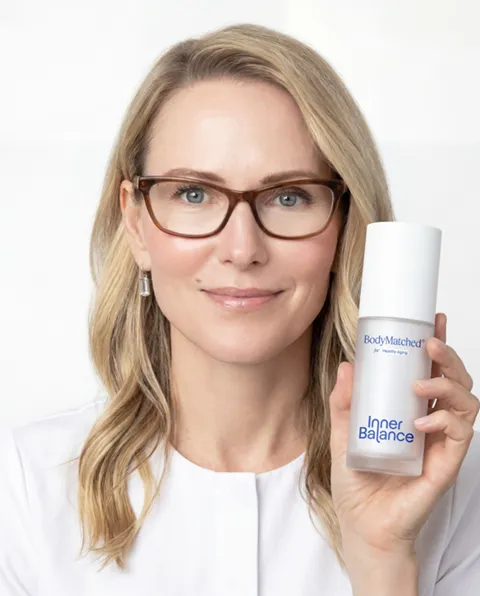
Photo Courtesy: Inner Balance
A Physician Heard the Same Wrong Answers
Dr. Sarah Daccarett knows this story from the inside. In her mid-thirties, as a practicing physician, she stopped sleeping, lost her libido and struggled through brain fog heavy enough that she wondered about early cognitive decline. Her tests came back normal. She was told it was stress, postpartum adjustment, or anxiety.
She later founded Inner Balance, a telehealth practice for women in perimenopause and menopause, built on the argument that hormonal change starts earlier than most women are told.
“We are living through a silent women’s health crisis,” she says, “and no one is naming it.”
Celebrity Stories Cannot Replace a Good Appointment
Hearing a celebrity talk about menopause can make it easier to bring up. It doesn’t change what happens in a short doctor’s appointment, though, and it can send women looking for answers from whoever is loudest online.
Daccarett has spoken about why young women ask influencers about their health before they ask a doctor. In her view, the problem lies with the system, not with the women asking.
“Women are not being fooled,” she says. “They are being underserved.”
What actually helps is fairly simple. Keep notes on symptoms and cycles for a few months. Bring specific examples to the appointment. Treat a normal blood test as one piece of information, and get a second opinion if the explanation doesn’t fit.
That is the model Inner Balance is built on: a detailed health assessment, reviewed by a licensed clinician, before anything is prescribed.
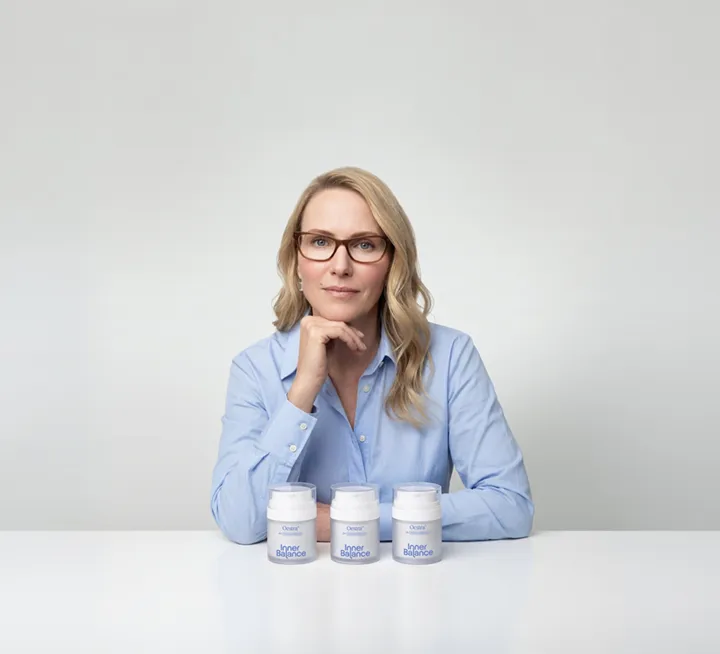
Photo Courtesy: Inner Balance
Celebrities have helped make menopause an everyday topic. The next step is making sure women get proper answers when they raise it with their doctors.
___
Dr. Sarah Daccarett is a physician specializing in hormone health and the founder of Inner Balance, a clinician-led telehealth practice for women in perimenopause and menopause.
This article is for informational purposes only and does not substitute for professional medical advice.